Although many people play poker for fun or to make money, they unknowingly learn new skills and qualities by playing the game.
Some people play poker to improve their skills, while others play to win. But most people who play poker don’t know that even playing for fun trains their minds. Poker has been proven to improve people’s cognitive skills and attentiveness.
You should play poker at least once in a while to find out how efficient your brain is. No wonder this game is compared to chess, as winning depends on careful planning of strategies and logical outcomes. These skills increase your chances of winning at poker.
Active brain work: poker, one of the most popular card games in the world, requires a lot of practice, determination and strategic thinking. Poker players must remain in full concentration on the game for long periods of time. Poker also uses counting and statistics, so people who play regularly are often good at keeping score in their minds.
Abstract and creative thinking skills are also often required at the table. For example, you try to identify your opponents’ hands. You understand your opponent’s body language and subtle gestures, and this information helps you make decisions. When you play for more time, you strain your brain and become more creative, motivated and confident.
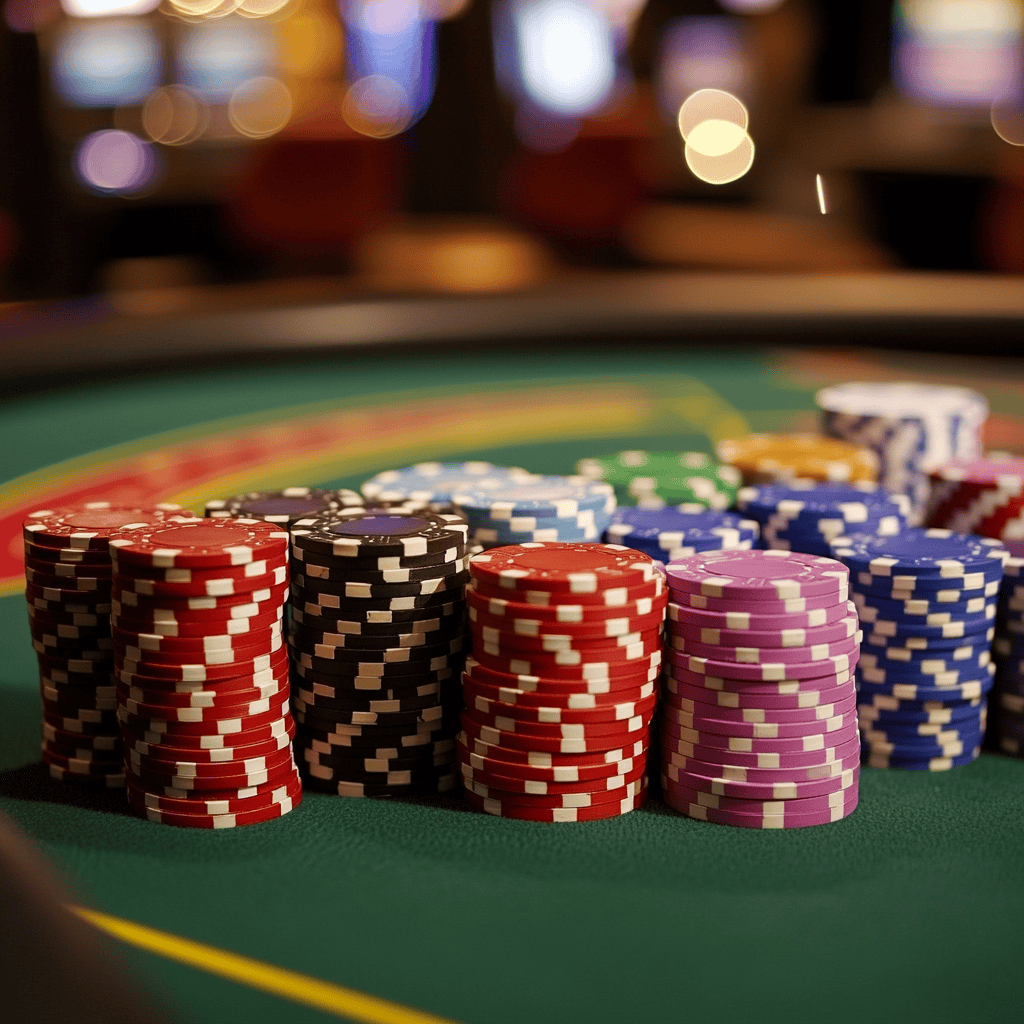
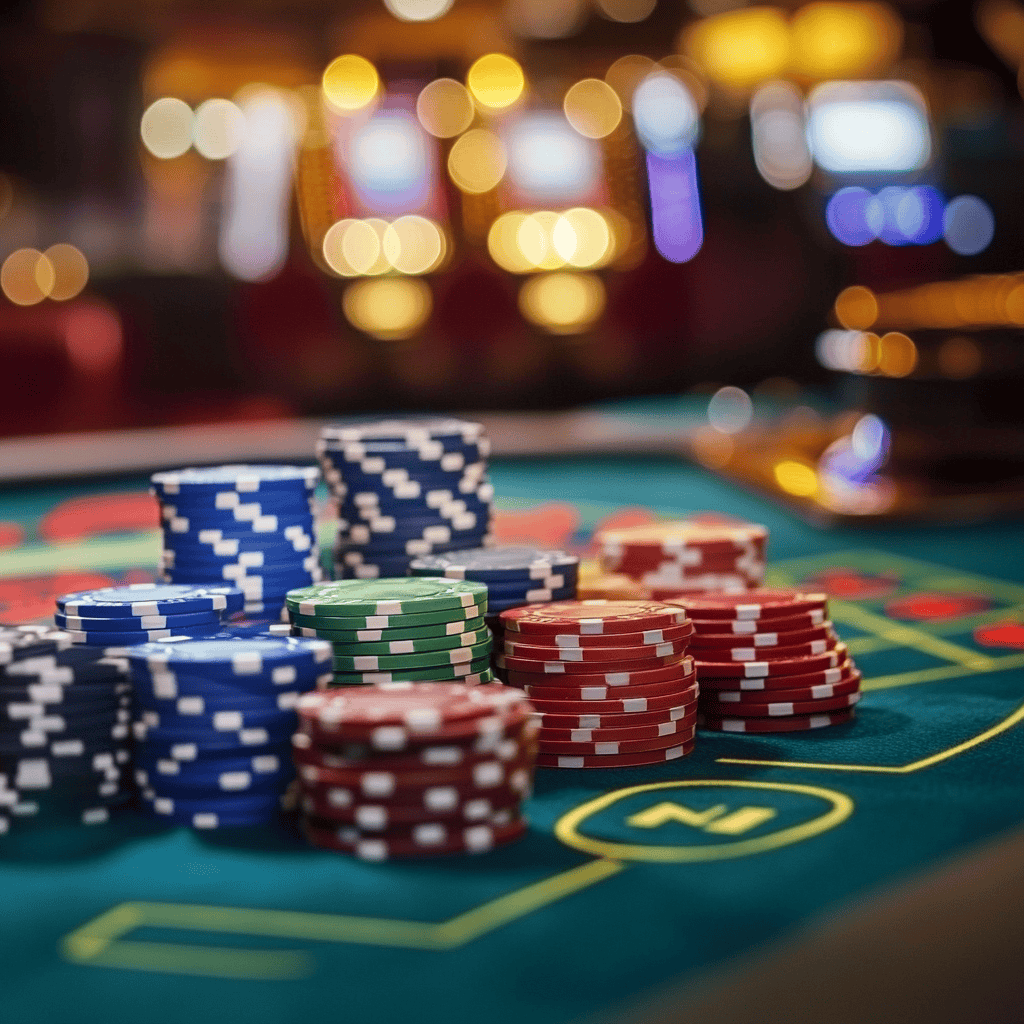
Some players sit at the table and wait for their turn, rolling chips through their fingers. This simple habit has several benefits. Training dexterity and hand-eye coordination should come first. Secondly, rolling chips takes your opponents’ attention away from you, allowing you to better focus on the game.
Social: Players in online poker and in land-based poker rooms interact, chat and banter with other players. It’s part of the game of poker to socialize with your opponents. Understanding strategies and socializing while playing is just as rewarding. It’s also a great way to learn more about the game and other people, as well as improve social and communication skills. Socializing can help a player deal with anxiety and stress if they are nervous at the table.
Playing poker keeps the player energized throughout the session. Thus, this type of gambling requires self-control and complete focus on the game. This is where the emotional side of the game comes into play: poker players experience different feelings such as joy, anxiety, anger and happiness. Emotional control is very important for those who want to succeed in poker. A good player does not allow emotions to control the mind and make decisions.